

Understanding Edge Computing
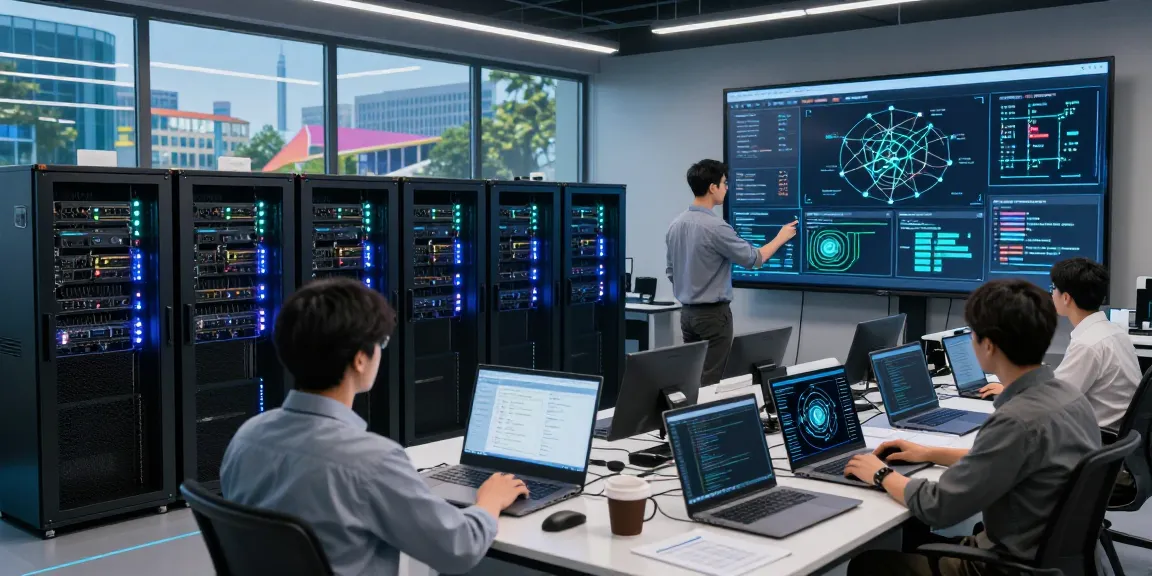
As technology evolves, the demand for faster processing and real-time data analysis has led to the rise of edge computing. This paradigm shifts the focus from centralized cloud computing to localized data processing, significantly reducing latency and bandwidth use. By bringing computation closer to the data sources, edge computing is transforming how industries operate while enhancing user experiences across various applications.
What is Edge Computing?
Edge computing refers to a distributed computing framework that processes data at or near the source of data generation. This model enables devices such as IoT sensors, mobile devices, and local servers to perform data analytics and processing tasks without relying solely on centralized data centers. The objective is to speed up data processing and improve response times, which is crucial for applications requiring real-time insights.
Key Benefits of Edge Computing
- Reduced Latency: By processing data closer to the source, edge computing decreases the time it takes for data to travel to and from centralized servers, enhancing user experience.
- Bandwidth Optimization: It minimizes the amount of data sent to the cloud, significantly reducing bandwidth costs and congestion in communication networks.
- Increased Reliability: Edge computing can continue functioning even during network outages, ensuring critical operations are not disrupted.
- Enhanced Security: Sensitive data can be processed locally, reducing the risk of data breaches during transmission.
How Edge Computing Differs from Cloud Computing
While both edge computing and cloud computing aim to process and analyze data, their approaches differ significantly. Cloud computing centralizes data processing and storage in large data centers, which can lead to increased latency especially in real-time applications. In contrast, edge computing decentralizes this function, allowing for faster response times by handling data at or near its source.
Applications of Edge Computing
Edge Computing in IoT
The Internet of Things (IoT) significantly benefits from edge computing, as billions of IoT devices generate vast amounts of data. By processing this data on-site, businesses can make instantaneous decisions, optimizing processes and reducing operational costs. For instance, smart factories utilize edge computing to monitor equipment in real-time, predicting maintenance needs and preventing downtime.
Industry-Specific Use Cases
- Healthcare: In hospitals, edge computing is deployed for real-time patient monitoring systems that analyze vital signs and alert medical personnel instantly if anomalies are detected.
- Transportation: Self-driving cars use edge computing to process data from sensors and cameras, enabling them to make split-second decisions to navigate safely.
- Retail: Edge devices in retail environments manage customer data and inventory in real-time, helping stores optimize the supply chain and improve customer experiences.
Real-World Success Stories
Companies like GE and Siemens are pioneering edge computing technologies. GE’s digital wind farm solutions use edge data processing for optimal turbine performance, while Siemens leverages edge analytics for predictive maintenance in manufacturing. These implementations have resulted in significant cost savings and improved operational efficiency.
Challenges in Implementing Edge Computing
Common Obstacles and Misconceptions
Despite its advantages, implementing edge computing can come with challenges. Enterprises often face difficulties in integrating edge devices with existing infrastructure and ensuring consistent performance across distributed systems. Additionally, misconceptions about the complexity and costs associated with deploying edge solutions can deter potential adopters.
Security Concerns and Solutions
With edge computing, security becomes paramount due to the decentralized nature of data processing. Devices at the edge can be vulnerable to cyberattacks if not properly secured. To mitigate these risks, companies must adopt robust endpoint security measures, including encryption and regular software updates.
Managing Edge Device Diversity
Organizations often deploy a variety of edge devices with different capabilities, making management a complex challenge. Establishing standardized protocols and scalable management solutions will be critical in ensuring efficient integration and operation of diverse edge devices.
Best Practices for Edge Computing Deployment
Assessing Infrastructure Needs
Before deploying edge computing solutions, organizations should conduct a thorough analysis of their existing infrastructure and determine the specific needs of their applications. This includes evaluating connectivity, data storage requirements, and processing power at the edge.
Integrating Edge with Existing Systems
Seamless integration is crucial for effective operation. Organizations should aim to design architectures that allow edge computing systems to work alongside legacy systems, ensuring a smoother transition toward more modern technologies.
Monitoring and Performance Metrics
Continuous monitoring of edge computing environments is essential for maintaining performance. Establishing clear metrics to assess the efficiency and reliability of edge devices will help organizations make data-driven decisions and optimize application performance.
Future Trends and Predictions
Innovations Shaping Edge Computing in 2026
Looking ahead, edge computing will play a significant role in the development of advanced technologies like 5G, which promises to enhance connectivity and performance for edge applications. Innovations will likely include more sophisticated AI and machine learning algorithms designed for edge devices, allowing for predictive analytics and automated decision-making at the site of data generation.
The Role of AI and Automation
AI and automation will be pivotal in optimizing edge computing solutions. As organizations deploy more intelligent edge devices, they will enhance operational efficiency and improve the accuracy of real-time analytics.
Preparing for the Edge-Driven Future
To remain competitive, businesses must prepare for an edge-driven future by investing in relevant technologies, training personnel, and developing strategic partnerships with edge computing providers. Understanding the evolving landscape will enable organizations to harness the full potential of edge computing.
What are the Key Benefits of Edge Computing?
The key benefits of edge computing include reduced latency, improved bandwidth efficiency, enhanced security, and increased reliability. These factors are crucial as organizations strive for better performance and user experiences in an increasingly digital world.
Who are the Leading Players in Edge Computing?
Several companies are at the forefront of the edge computing revolution, including industry giants like Microsoft, Amazon Web Services (AWS), and Google Cloud. These organizations are continually innovating to expand their edge computing offerings and address enterprise needs.
How is Edge Computing Transforming Industries?
Across various sectors, edge computing is transforming industries by enabling real-time data processing, improving operational efficiencies, and providing enhanced customer experiences. Companies adopting edge solutions are witnessing remarkable advancements in their operational capabilities.
